
Timing and clinic visits
A cycle usually takes 2–3 weeks. The exact schedule depends on how you respond to treatment.
Each step, from the first consultation to the laboratory stage, is planned around health history and assessment results.
Request a consultation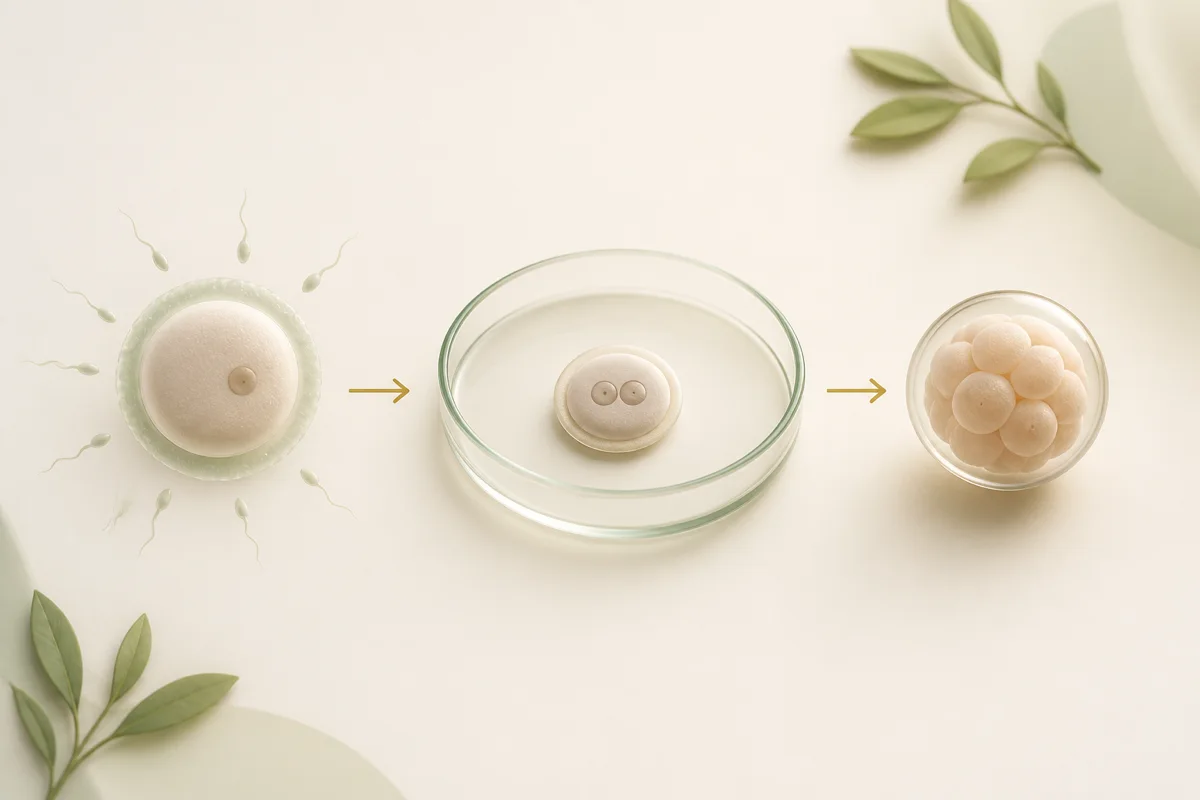
Your details are used only to contact you.
On this page
A cycle usually takes 2–3 weeks. The exact schedule depends on how you respond to treatment.
Every medical procedure has possible risks and limitations. Personal risks and alternatives should be discussed before consent.
Your health history, previous treatments and existing test results are reviewed together. Your doctor decides which tests need repeating.
Ultrasound and hormone assessment for the woman and a semen analysis for the man are the basic investigations. Assessment of the uterine cavity or further tests may be added.
A medication period usually lasting 8–12 days. Injections can be given at home; the response is monitored by ultrasound and blood tests, and the dose is adjusted accordingly.
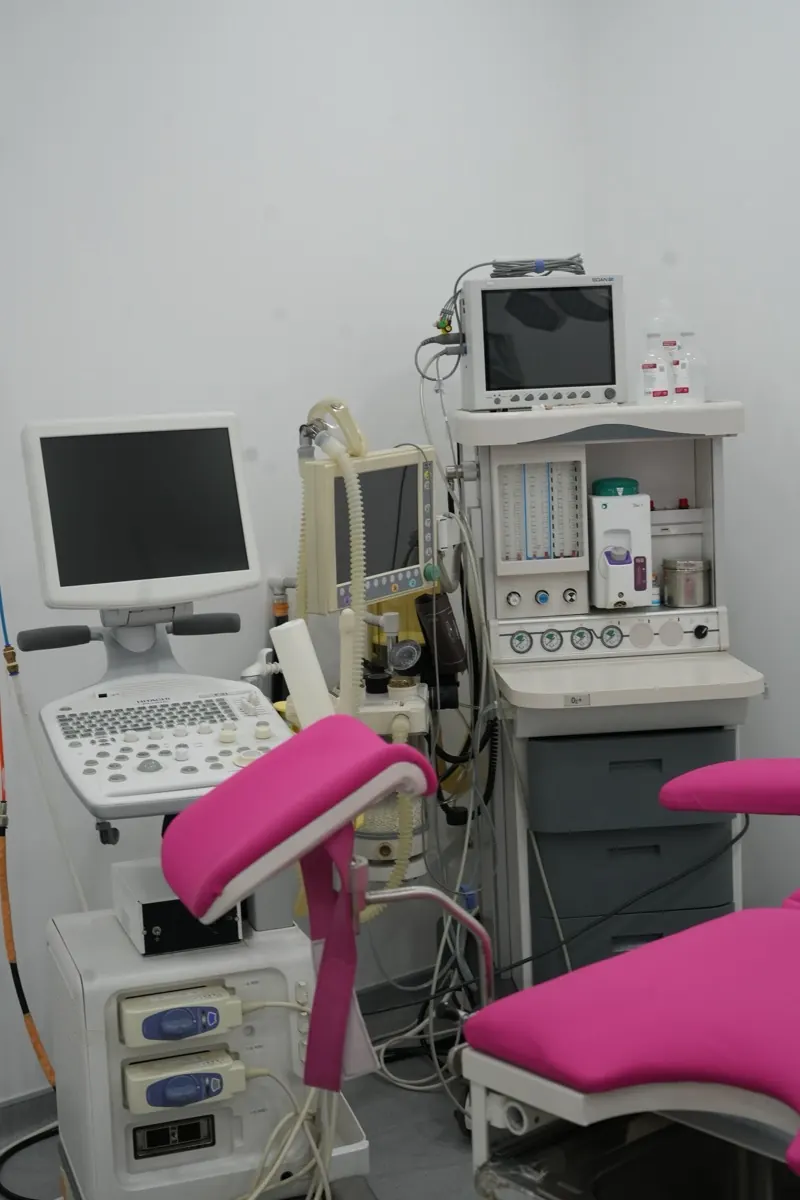
A procedure of 15–20 minutes under short sedation. You go home the same day. A sperm sample is provided on the same day.
Fertilisation takes place and the embryos are monitored for several days. The transfer day is decided according to how the embryos develop.
A suitable embryo is placed in the uterus through a fine catheter; no anaesthesia is needed. The result is assessed by a blood test around two weeks later.

Most people continue their normal routine. Rest is needed only on the day of egg collection because of the sedation, and you will be asked not to drive that day.
There are usually several monitoring visits during stimulation, followed by the egg collection and transfer days. The exact number depends on your response and your plan is shared with you in advance.
Yes. Most of the medication is designed to be given at home under the skin. The clinical team will show you how.
Prolonged bed rest has not been shown to help. Apart from heavy exertion you can return to your usual life; any specific instruction from your doctor takes precedence.
Embryos judged suitable can be frozen by vitrification and stored for assessment in a later cycle. Storage conditions and duration are discussed separately at your consultation.
IVF (in vitro fertilisation) is an assisted reproduction method in which eggs and sperm are brought together in the laboratory, the resulting embryos are monitored for a few days, and a suitable embryo is transferred to the uterus. It is considered in many situations where conceiving naturally is difficult.
How treatment is planned differs from person to person: age, ovarian reserve, semen analysis, the condition of the uterine cavity, any accompanying illnesses and previous response to treatment are all taken into account. Standard timelines found online therefore give only a rough idea.
The aim is to help several eggs mature in the same cycle, to collect those eggs and to achieve fertilisation in the laboratory. One suitable embryo is placed in the uterus; where appropriate, the remaining embryos can be frozen and stored.
IVF is not the first option for every couple. In some cases simpler methods such as intrauterine insemination are tried first; in others IVF is recommended directly. That decision is made by your doctor after the examination, test results and your history have been reviewed together.
The process is carried out on an outpatient basis — no hospital stay is required. Egg collection is performed under short sedation and you return home the same day. During treatment you will be asked to come to the clinic several times for ultrasound scans and blood tests.
For most people the hardest part is not the procedures but the waiting and the uncertainty. Knowing the path in advance eases that; please ask your questions at the first consultation.
This page is for general information and does not replace an examination, a diagnosis or personal medical advice.



Your details are used only to contact you.
Leave your name and phone number — we will call you back.