

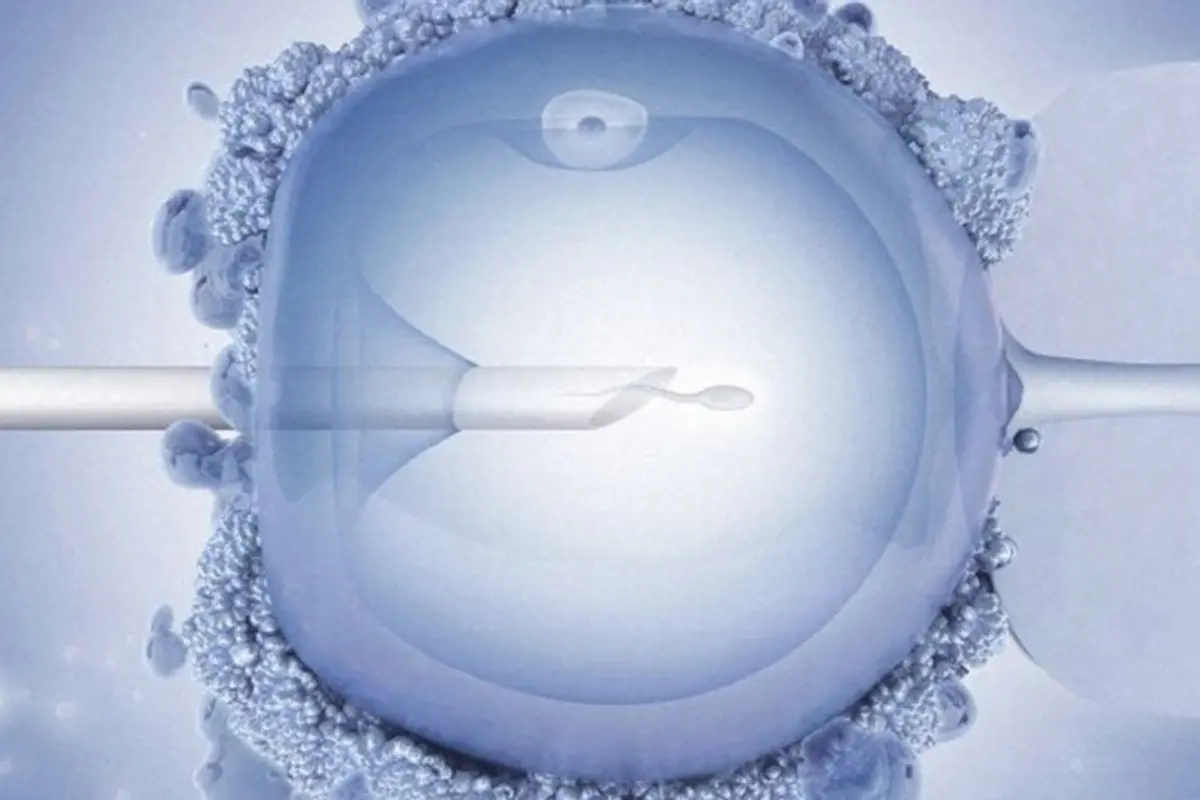
In IVF and IUI, labs use different techniques to pick out the healthiest sperm. One of them is the sperm chip, also known as microfluidic sperm sorting.
What is a sperm chip?
A sperm chip is a small lab device containing microscopic channels and pores. Its aim is to separate out sperm that swim well and have less DNA damage. It can be used when preparing sperm for ICSI and for intrauterine insemination (IUI).
How does it work?
- The semen sample is placed in a chip with microscopic channels.
- Sperm swim through the channels on their own. Those that move well and are normally shaped reach the other side, while most poorly moving or abnormal sperm are left behind.
- No centrifugation (high-speed spinning) is needed, unlike standard preparation. Because centrifugation is thought to cause oxidative stress and DNA damage in sperm, the chip was developed as a gentler way to select them.
Studies have shown that sperm selected with the chip have lower DNA fragmentation.
Who might it help?
A sperm chip is usually considered:
- for men with a high sperm DNA fragmentation test result;
- after repeated unsuccessful IVF or ICSI cycles;
- in IUI or IVF for couples with sperm quality problems.
What does the evidence say?
It is important to be honest here. The sperm chip has been shown to select sperm with more intact DNA, but it has not yet been clearly shown to increase live birth rates:
- The European Society of Human Reproduction and Embryology (ESHRE), in its 2023 review of add-on treatments, says microfluidic sorting “can be considered”.
- A 2026 Cochrane review found few studies on live birth and rated the evidence as very low certainty.
- Experts think the greatest benefit may be in men with high DNA fragmentation, and research on this is ongoing.
So the sperm chip is an option that may support treatment for the right patients, but it does not guarantee success on its own.
At Ankalife IVF Centre, our embryologist and doctor review your semen analysis and previous treatment to choose the most suitable way to prepare the sperm — book a consultation.
Frequently asked questions
Does a sperm chip repair DNA damage?
No. It does not remove DNA damage; it helps select the healthier sperm in the sample. The cause of the damage, such as smoking, a varicocele or infection, needs to be addressed separately.
Does the man need an extra procedure?
No. The semen sample is given in the usual way and passed through the chip in the lab.
Should it be used in every IVF cycle?
No. The evidence does not support routine use for everyone. Your doctor will judge whether it is likely to help in your case.
This article is for general information only and is not a diagnosis or treatment recommendation. Only a doctor can decide which method suits you, based on an examination and your test results.
Sources
- ESHRE — Good practice recommendations on add-ons in reproductive medicine (Human Reproduction, 2023)
- Cochrane — Advanced sperm selection techniques for assisted reproduction (2026)
- Human Reproduction (2024) — Microfluidic sperm sorting selects a subpopulation of high-quality sperm with a higher potential for fertilization
Still have questions? Leave your number and we will call you
Your details are used only to contact you.