

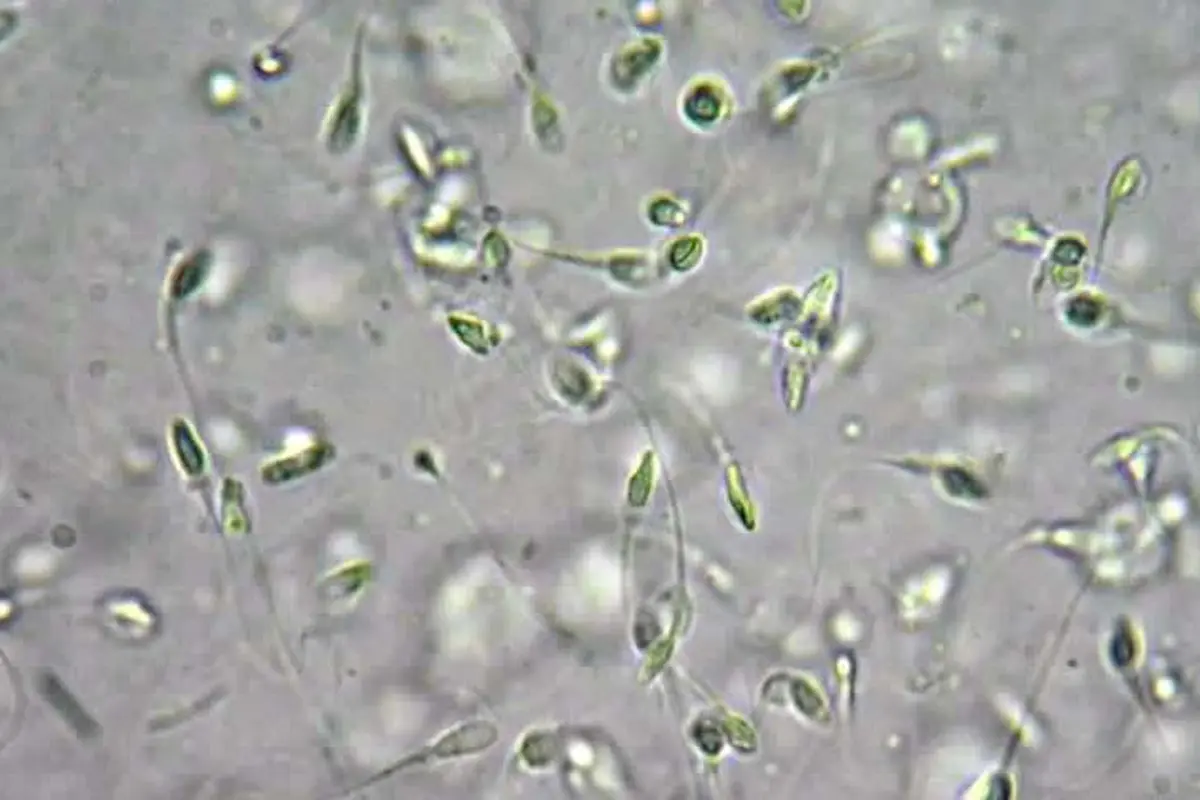
If a semen analysis is normal but pregnancy isn’t happening, or IVF keeps failing, one question often comes up: is the genetic material in the sperm intact? A sperm DNA fragmentation test is designed to answer exactly that.
What is sperm DNA fragmentation?
Each sperm carries the father’s genetic information (DNA) in its head. Breaks can form in the DNA strands; this is called DNA fragmentation. A sperm DNA fragmentation test is a specialised andrology lab test that measures the proportion of sperm in a sample with damaged DNA.
A standard semen analysis looks at sperm count, movement and shape, but it cannot show breaks in the DNA. Sperm with a lot of DNA damage can still fertilise an egg, but embryo development may be affected and the chance of pregnancy may fall.
When is the test used?
Doctors usually consider the test:
- in unexplained infertility, when routine tests are normal but pregnancy has not happened;
- after repeated unsuccessful IVF or ICSI cycles;
- after recurrent miscarriages;
- in men with a varicocele (enlarged veins in the scrotum);
- when there are factors that can damage sperm DNA, such as older paternal age, smoking, heavy drinking, heat exposure, infection or past chemotherapy or radiotherapy.
Guidelines from the European Association of Urology (EAU) and from the American Urological Association with the American Society for Reproductive Medicine (AUA/ASRM) support testing particularly after recurrent miscarriage and repeated treatment failure. The European Society of Human Reproduction and Embryology (ESHRE), in its 2023 review, does not recommend the test routinely for everyone, because the evidence is still limited. In short, the test is most useful when it is offered to the right patients, not to all.
How are the results read?
The result is given as the percentage of sperm with damaged DNA (the DNA fragmentation index, DFI). A commonly used scale is:
- below 15%: low, good;
- 15–30%: intermediate, borderline;
- above 30%: high; linked to lower chances of pregnancy naturally and with IUI;
- above 50%: very high.
An important caveat: these cut-offs apply mainly to a method called SCSA. Other methods, such as TUNEL, SCD (Halosperm) and Comet, use different thresholds. Your result should therefore be interpreted by a doctor, using the reference range of the lab that did the test.
What can be done if DNA damage is high?
A high result is not the end of the road; it is a reason to look for the cause. Depending on the situation, your doctor may suggest:
- stopping smoking, cutting down on alcohol, losing excess weight and keeping the testicles cool (avoiding saunas and laptops on the lap);
- treating any infection;
- discussing repair of a clinically obvious varicocele;
- a shorter period of abstinence before giving a sample;
- lab techniques in IVF that aim to select sperm with more intact DNA — we explain one of them, the sperm chip, in a separate article;
- in selected cases, ICSI using sperm taken directly from the testicle.
Antioxidant supplements are often discussed, but the evidence for them is limited and they should not be started without medical advice. We cover other causes in our article on male infertility.
At Ankalife IVF Centre, a doctor will review your semen analysis and history and decide whether this test is right for you — book a consultation.
Frequently asked questions
My semen analysis is normal. Could I still have DNA damage?
Yes. Sperm with normal count, movement and shape can still have high DNA fragmentation. That is why the test may be considered in unexplained infertility or after repeated failures.
How is the test done? Do I need to prepare?
It uses a semen sample, like a semen analysis. Two to five days of abstinence are usually requested; the lab will give you the details.
Is DNA damage permanent?
Not always. Sperm take around three months to develop, so the effect of lifestyle changes and treatment usually shows up in a repeat test a few months later.
This article is for general information only and is not a diagnosis or treatment recommendation. Only a doctor can decide which tests and treatment suit you, based on an examination and your test results.
Sources
- ESHRE — Good practice recommendations on add-ons in reproductive medicine (Human Reproduction, 2023)
- European Association of Urology (EAU) — Guidelines on Sexual and Reproductive Health
- AUA/ASRM — Diagnosis and Treatment of Male Infertility: Guideline (2024)
- Sperm DNA fragmentation testing: summary evidence and clinical practice recommendations (Andrologia, 2021)
Still have questions? Leave your number and we will call you
Your details are used only to contact you.